Child and Adolescent Disorders
Knowledge about child and adolescent mental health disorders is essential to improve early detection.
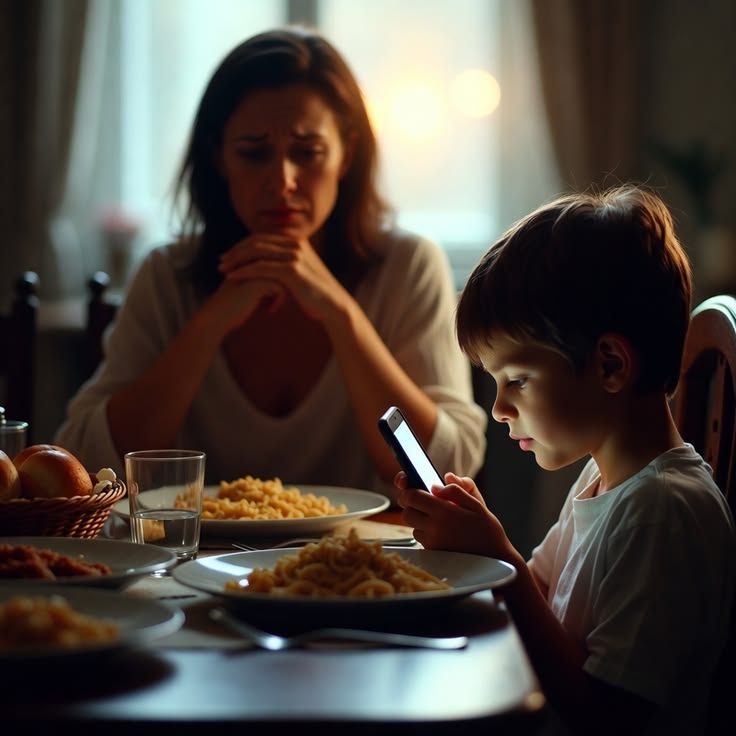
Understanding Child and Adolescent Disorders
Knowledge about child and adolescent mental health disorders is essential to improve early detection. Mental health disorders are sometimes diagnosed as alterations in behaviour, feelings, or ability to interact with others in the household or classroom.
It is important to understand these symptoms for those who offer or are involved in caregiving activities to know what support, if not treatment, the patient needs.
Categories of Child and Adolescent Disorders
Mental illnesses in children and adolescents are numerous and can be understood as severe disturbances in the young patient's growth and behaviour patterns.
Neurodevelopmental Disorders
Attention-Deficit/Hyperactivity Disorder (ADHD)
ADHD is recognised as among the most common childhood neurodevelopmental disorders. It is defined as a continuous pattern of inattentive or overactive-impulsive behaviour that harms functioning or development. Treatment includes behaviour therapy, parent and child education, and medication such as stimulants to manage symptoms.
Autism Spectrum Condition (ASC)
ASD is a developmental disorder that affects a person's ability to communicate with others and leads to restricted, repetitive behaviours. It is a spectrum disorder, meaning there may be severe impairment in communication or only mild difficulty in social interaction. Interventions include social skills training, speech and language support, play-based learning and structured task training.
Intellectual Developmental Disorder
Intellectual developmental disorder involves limited intellectual functioning along with limited adaptive behaviour. It affects communication, self-care and social contact. Education and life-skills training, started as early intervention, can help persons with IDD attain a higher degree of independence.
Learning Disorders
Specific learning disorders are cognitive impairments that hamper a child's learning in particular areas, for example reading (dyslexia), mathematics (dyscalculia), or writing (dysgraphia). Support includes specific learning techniques suited to the child's level, individual instruction, or modifications of the child's learning environment within the class.
Developmental Coordination Disorder
Developmental Coordination Disorder (DCD) is a childhood disorder defined as a marked impairment in coordination that impacts the child's activities of daily living. Occupational therapy is usually recommended for children with DCD to help them develop fine motor skills through repetitive activities.
Signs and Symptoms
Watching for changes in behaviour, mood, thinking, social life and physical health helps parents and teachers act early.
Behavioural Changes
Common behavioural indicators include:
- Aggression: can be physical, verbal or, in extreme cases, any form of damage or harm.
- Withdrawal: a child staying away from friends and relatives and lacking enthusiasm for activities that used to be enjoyable.
- Defiance: not following rules and regulations, and ignoring instructions given by authority figures.
Emotional Signs
Emotional symptoms are critical for understanding a child's mental state:
- Excessive Worry: constant fear in familiar situations may mean an anxiety disorder.
- Sadness: feeling sad or hopeless for two weeks or more can be a sign of depression. Children may cry often or say things like "I am useless."
- Mood Swings: sudden shifts between sadness and elation, aggressive impulses and guilty feelings may be a symptom of bipolar disorder.
Cognitive Symptoms
Cognitive symptoms often reflect a decline in mental functioning:
- Decline in Academic Performance: if a child's grades suddenly drop or they lose interest in school and assignments, they might be depressed or anxious.
- Attention Difficulties: difficulty paying and sustaining attention may indicate ADHD or a neurological disorder.
Social Indicators
Social interactions provide insight into a child's mental health:
- Struggles with Peer Relationships: being unable to make or keep friends may be a sign of social anxiety or other psychological problems.
- Isolation: refusing to interact with peers may indicate an underlying difficulty.
Physical Signs
Physical symptoms often accompany emotional distress:
- Frequent Headaches and Stomachaches: these are common in children suffering from anxiety or stress.
- Changes in Appetite: unexplained weight loss or gain due to altered eating habits is a clear sign of a child's emotional state.
Early Warning Signs
Preventing the problem from escalating is possible only if the early signs are detected on time.
- Ongoing temper tantrums that appear inappropriate for the child's age.
- Severe anxiety about losing a parent or caregiver, or about being alone.
- Frequent complaints of physical pain.
- Heightened aggression towards peers or family members.
- Peer pressure and sudden changes in friends or social networking circles.
- Reckless behaviours, such as substance abuse and truancy (skipping school).
Certain groups of children are at higher risk of developing mental health disorders:
- Children with a family history of mental illness
- Children who have experienced trauma
- Children with learning disabilities
Diagnosis and Assessment
Mental illness in youths is diagnosed through a detailed procedure performed by a psychologist or psychiatrist. The assessment involves collecting information from sources other than the child, especially parents and teachers, to understand how the child functions in different settings.
Tools and Techniques Used by Professionals
Mental health professionals use several tools during diagnostic assessment. Self-report inventories and observer rating schedules are the most widely used to assess symptoms of various disorders. Structured interviews also help the clinician obtain a detailed history of the child's development, family background, schooling and social relationships.
Importance of a Multidisciplinary Approach
Diagnosing mental health disorders in children and adolescents usually needs an interdisciplinary approach. Teamwork between paediatricians, psychologists, social workers and educators ensures that all of the child's needs are covered without gaps.
Challenges in Differential Diagnosis
Differential diagnosis needs special attention because many childhood disorders have overlapping symptoms. Inaccurate diagnosis can lead to delayed or wrong treatment that does not address the true cause of the problem. This is why a careful evaluation of the child's developmental background, setting and other features is so effective.
Frequently Asked Questions
Ready to take the next step?
Talk to our team about Child and Adolescent Disorders in a private, supportive consultation.