Acute stress
A short-term response to an immediate challenge, such as an argument, presentation, deadline, or near-miss. It usually settles when the situation passes.
Practical, compassionate guidance to help you understand stress, build healthier coping habits, and regain a sense of calm.
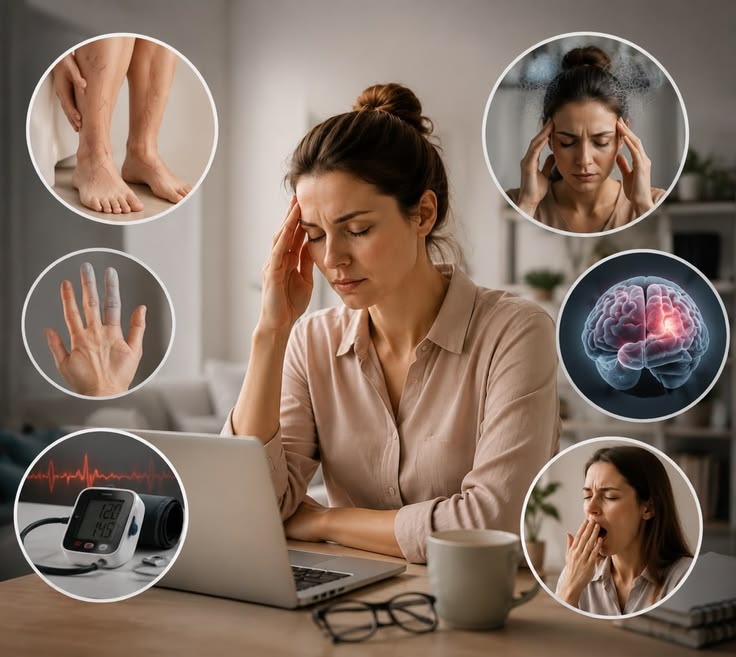
Stress is your body’s natural reaction to change, pressure, or a challenging situation. A small amount can help you stay focused, but ongoing or intense stress can affect your sleep, mood, concentration, relationships, and physical health.
It may show up as headaches, muscle tension, tiredness, irritability, anxiety, sadness, or difficulty sleeping. Recognising these signals early makes it easier to respond with care rather than allowing stress to take control.
Understanding the pattern and duration of stress can help you choose the right coping strategy and seek timely support.
A short-term response to an immediate challenge, such as an argument, presentation, deadline, or near-miss. It usually settles when the situation passes.
Repeated episodes of acute stress can leave the body without enough time to recover. It may feel like always being rushed, pressured, or on edge.
Stress that continues for weeks, months, or longer due to ongoing concerns such as work, finances, relationships, or health. It deserves compassionate, professional attention.
Behavioural therapy can help you notice unhelpful thoughts and patterns, practise new responses, and set realistic goals. These techniques can support people living with anxiety, depression, or chronic stress.
Try slow breathing, progressive muscle relaxation, mindfulness, or a calming routine.
Notice destructive thoughts and practise replacing them with balanced, realistic alternatives.
Regular walking or exercise can release tension and support sleep, mood, and energy.
Recognise small wins and reward healthy actions to make helpful habits more consistent.
Talk to someone you trust, ask for help, and avoid facing persistent stress in isolation.
Use this guide as a gentle check-in. You can return to it whenever pressure starts to feel difficult to manage.
Notice early signals such as headaches, tiredness, irritability, or anxious feelings.
Ask what may be contributing: work, family matters, health, finances, or daily demands.
Experiment with deep breathing, movement, music, a hobby, or a short restorative break.
Where possible, adjust the stressor through time management, boundaries, or asking for help.
Check how you feel afterwards. If stress continues, try another approach or speak with a professional.
If stress feels overwhelming, persistent, or begins affecting daily life, please contact a qualified mental-health professional.
Clear answers to common questions about anxiety, stress signals, and getting support.
Talk to our team about Stress Management in a private, supportive consultation.